Neighborhood
Ticinese and Navigli
Sixteen Roman columns, an imperial basilica, and the port of a city with no sea
Head south from the center and Milan changes its face twice.
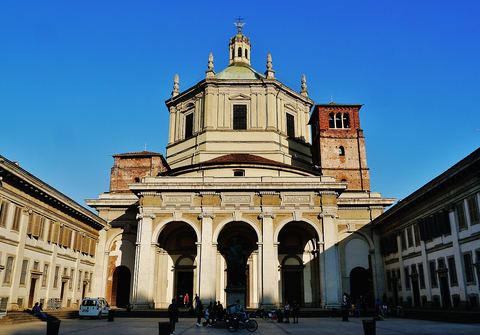
The first time is in front of sixteen Roman columns, lined up along the street. They come from an older building, perhaps a temple, and were set up again in front of the basilica of San Lorenzo, built between the end of the fourth century and the start of the fifth, when Milan was capital of the Empire. It is considered the first centrally planned church in the Christian West. Behind it opens the Parco delle Basiliche, a park born where the bombs of the last war had wiped out the houses.
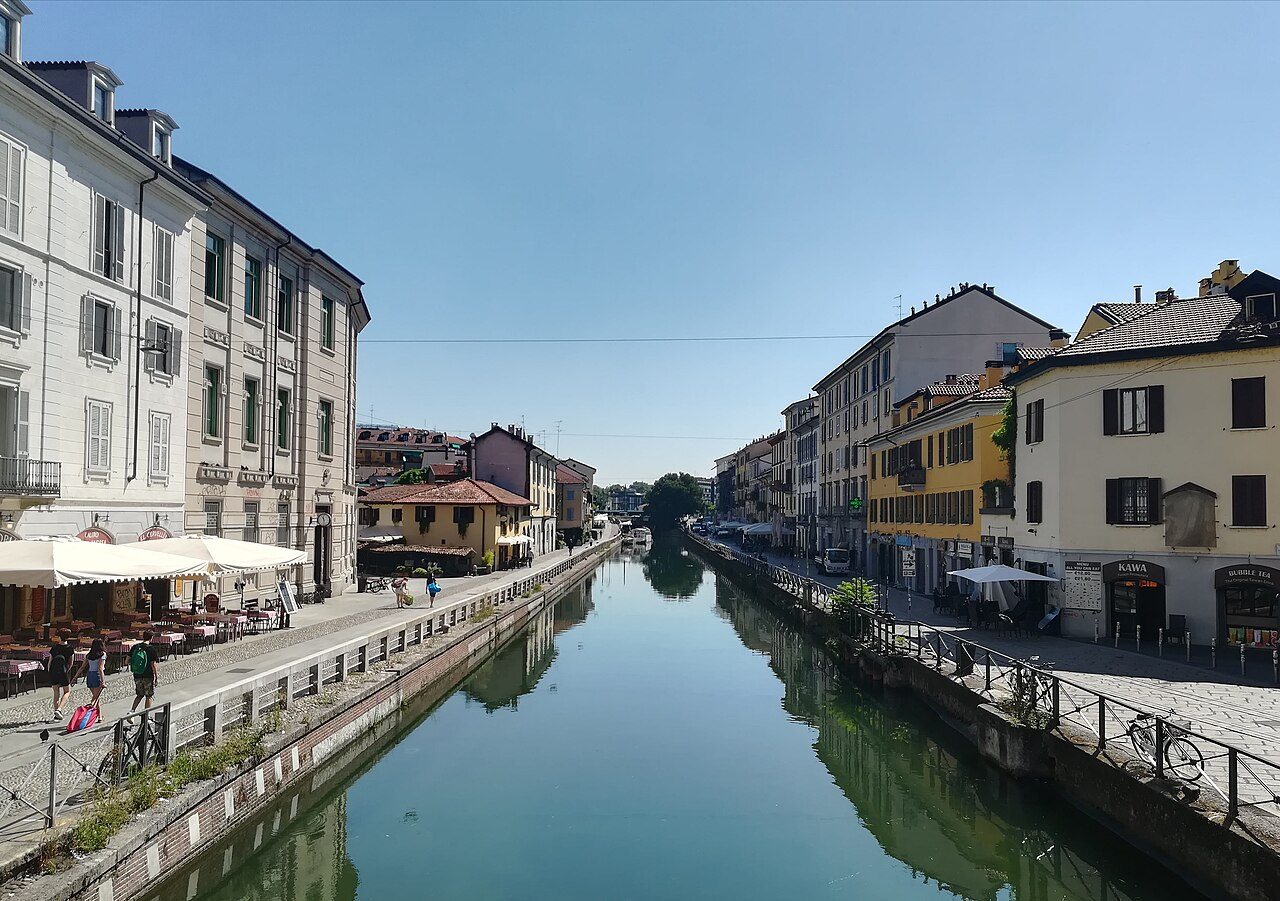
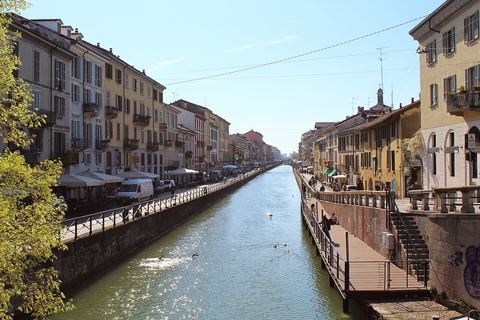
The second time is when you reach the water. The Naviglio Grande, the great canal, reached the city in 1211 and sixty years later it was navigable. From then on it served as a road: this is how the marble for the Duomo came in, all the way from Lake Maggiore, and until the twentieth century the sand for building.
The end of the line was the Darsena, the basin the Spanish governor turned into a port in 1603, right up against the ramparts. In 1819 the Naviglio Pavese was added, a canal that sets off from here toward Pavia.
In 1953 this was still the thirteenth port in Italy by goods received. The last barge loaded with sand entered the Darsena in 1979. Then the basin lost its role as a port, until in 2015, after a restoration, it was reopened.
This is the area where Milan remembers that it was once a city of water and hard work. Look at the canals with that in mind: they were not made to be pretty, they were working roads.
What to see here
Church
1 Basilica di San Lorenzo Maggiore
A church fit for emperors, behind sixteen Roman columns
Church
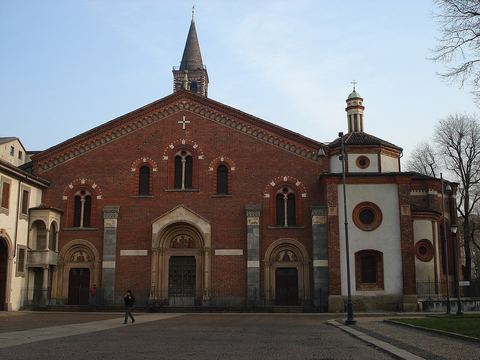
2 Basilica di Sant'Eustorgio
The church of the Three Kings, with a Florentine jewel hidden at the back
Monument
3 Navigli e Darsena
The port of a city with no sea, and the canals that ended up under the asphalt