Neighborhood
Brera
From wasteland to artists' quarter, all thanks to a single palace
Brera comes from braida, an old word for a piece of untilled land. That is what the neighborhood was before anything else: a meadow on the edge of the city.
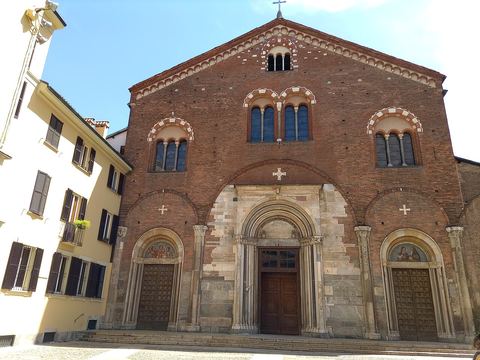
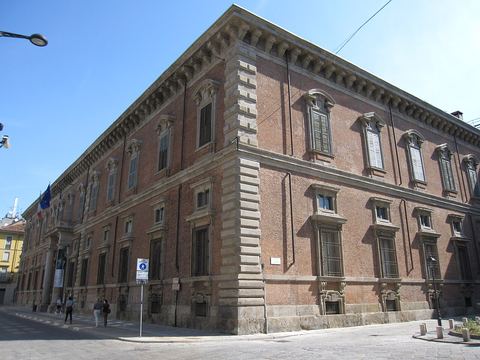
In the Middle Ages the Humiliati, a religious order, settled on that meadow. In 1571 the order was abolished and the convent went to the Jesuits, who turned it into a college and in the seventeenth century entrusted the new palace to the architect Francesco Maria Richini.
The Brera you know was born in 1773. The Jesuits are suppressed and the palace passes to the Austrian government. The empress Maria Theresa fills it with institutions: next to the astronomical observatory, which was already there, come the botanical garden, the library, and in 1776 the Accademia di Belle Arti, the fine arts academy.
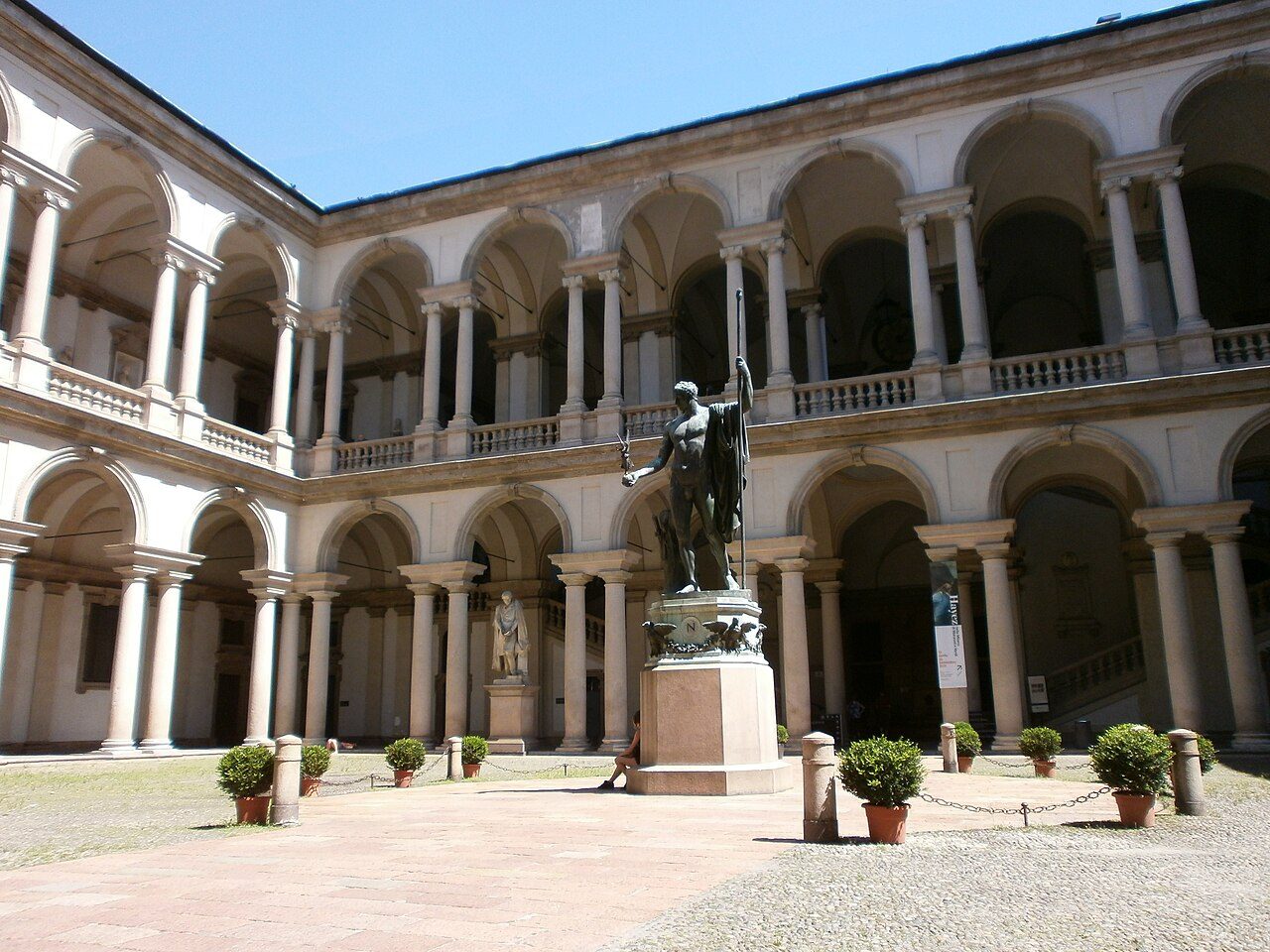
Then it is Napoleon's turn, and he adds the Pinacoteca, the picture gallery. The rooms open in 1809, on his birthday, and his bronze statue still stands in the middle of the courtyard.
With the Accademia came the artists, and in the mid-twentieth century writers and intellectuals, who met at the Jamaica bar, on Via Brera. Luciano Bianciardi, a writer, told the story of that neighborhood life in the opening pages of his novel La vita agra.
The streets around the palace have names that sound as if a poet chose them: Via Fiori Chiari, Via Fiori Oscuri, Via Madonnina. But the center of it all is still that courtyard.
Step inside even if you have no plans to visit the Pinacoteca. Students from the Accademia still walk through it, and you understand right away that in Brera art does not just hang on the walls.