Neighborhood
The Borghi
Outside the walls, where Como was born Christian and learned to weave
Walk out through one of the gates of the walled city and you are in the borghi. The word means the neighborhoods that grew up outside the walls, along the roads and on the two shores. In the Middle Ages the most important were Vico, to the west, and Coloniola, to the east. When Milan won the war, in 1127, their turn came too: they were destroyed along with the city, and only the churches were spared.
Here you find the oldest churches in Como, because the first basilicas went up outside the walls. San Carpoforo, at the foot of the Baradello hill, is by tradition the first church of the diocese. On the hill stands the Baradello castle, rebuilt in the days of Barbarossa.
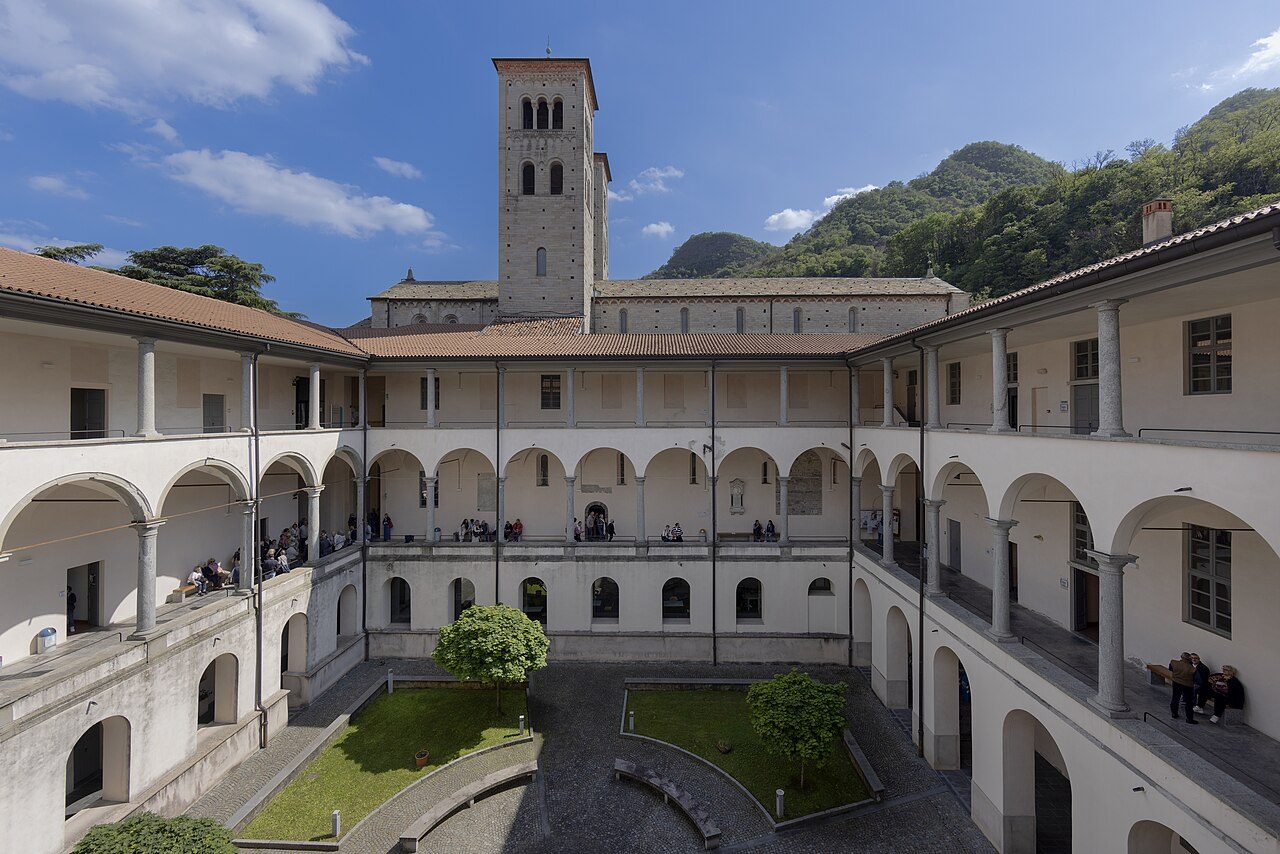
Sant'Abbondio, outside the walled city, was rebuilt by Benedictine monks and consecrated in 1095. Its monastery is a place of study today: it houses the university. On the opposite side, toward the eastern shore, the Augustinian friars built their church, Sant'Agostino, in Coloniola in the fourteenth century.
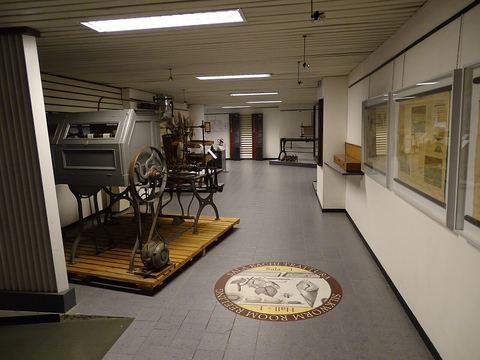
The borghi are also where the work gets done. This is the home of the Setificio, the textile school founded in 1868. Next door, the Museo della Seta, the silk museum, tells the whole cycle, from the silkworm to the printed fabric.
This is the least photographed Como, and perhaps the most honest. Distances are longer than in the center: pick one destination at a time.
What to see here
Church
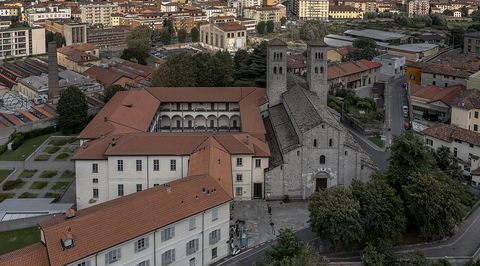
1 Basilica di Sant'Abbondio
Twin bell towers and an apse painted like a picture book
Church
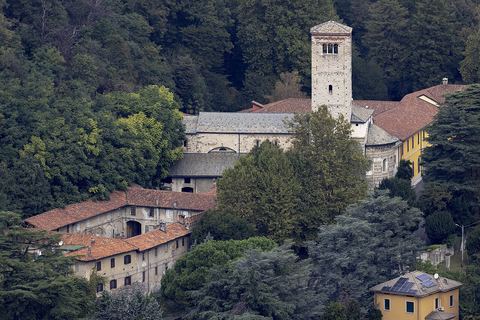
2 Basilica di San Carpoforo
Where tradition says Christian Como began, at the foot of the Baradello hill
Church
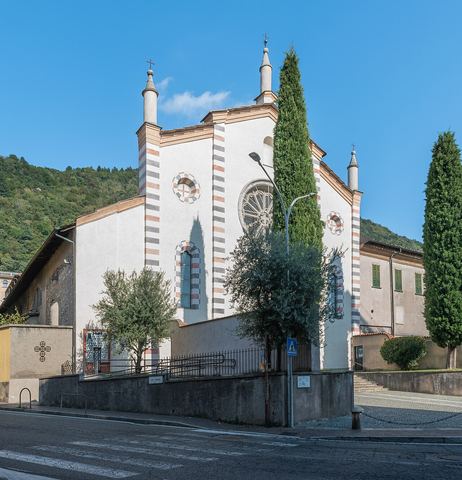
3 Chiesa di Sant'Agostino
The church of the belted friars, Gothic again after two centuries in disguise
Museum
4 Museo della Seta
From caterpillar to scarf: the silk factory, one machine at a time